







Search Results for: Peri 3D
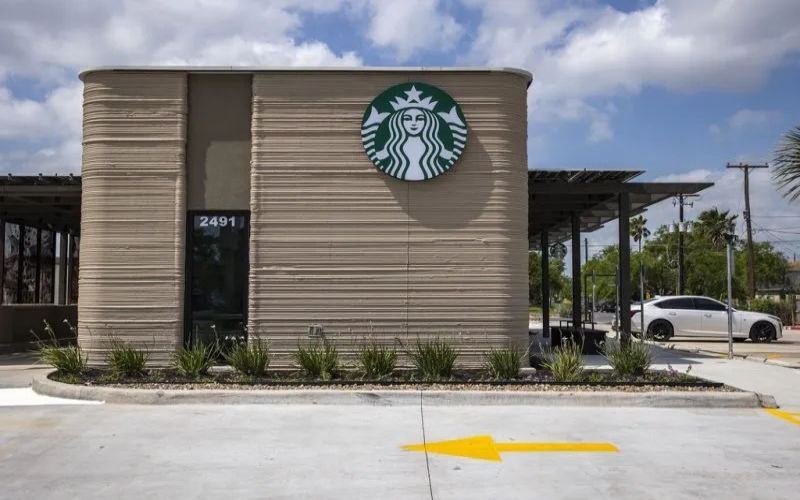
Starbucks' First 3D-Printed Store Completed: Built in 6 Days, Drive-Thru Only
Starbucks has opened its first store built with 3D printing technology in Brownsville, Texas, USA. The project was undertaken by the German team Peri 3D and completed in just 6 days at a cost of nearly 1.1 million USD. The store is located on Boca Chica Boulevard, and its building shell is made of layer-by-layer stacked concrete walls, presenting a wavy tubular structure. Windows, brand signage, and drive-through facilities have all been installed in place. This store has no seating and only offers drive-through and takeout services, aiming to improve service efficiency and cater to the driving habits of Texas residents. The design process used AI for planning, covering layout, material selection, cost, and carbon footprint calculations. Starbucks has not yet revealed whether it will promote this type of store. Front Street Coffee follows developments in the coffee industry and brings you the latest news. [more…]
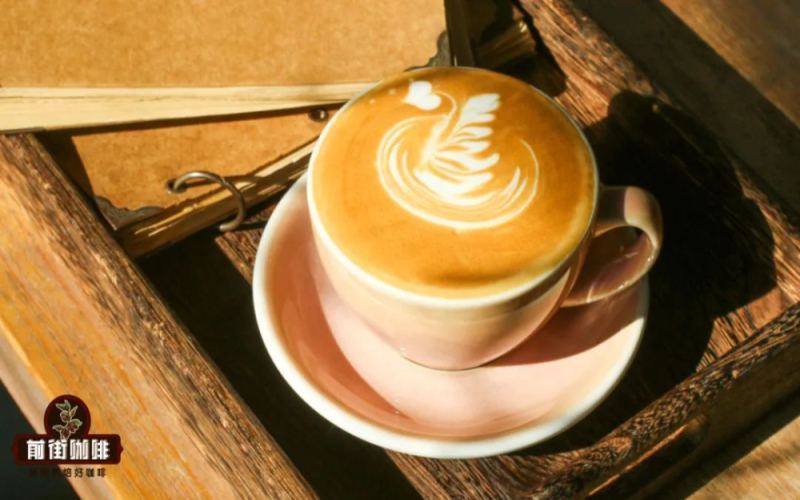
What Are the Different Types of Latte Art? An Analysis from Traditional Patterns to Etching Needles and 3D Latte Art Techniques
Latte art has long ceased to be as simple as heart-shaped patterns. Since David Hume accidentally created a heart on the surface of a milk coffee in the 1980s, latte art techniques have continuously evolved, and today have developed into multiple types such as traditional latte art, coffee etching, and 3D latte art. Traditional latte art uses a milk pitcher as its main tool, and can be further divided into basic patterns and advanced combined patterns; coffee etching relies on etching needles recognized by international competitions to draw finer or bolder lines; 3D latte art is more figuratively a kind of "sculpting" technique, requiring the stacking of thick milk foam and the use of spoons and etching needles for shaping, and also uses chocolate sauce, caramel sauce, and the like for outlining. This article, brought to you by Front Street Coffee, helps you understand the features and key production points of these latte art types. [more…]
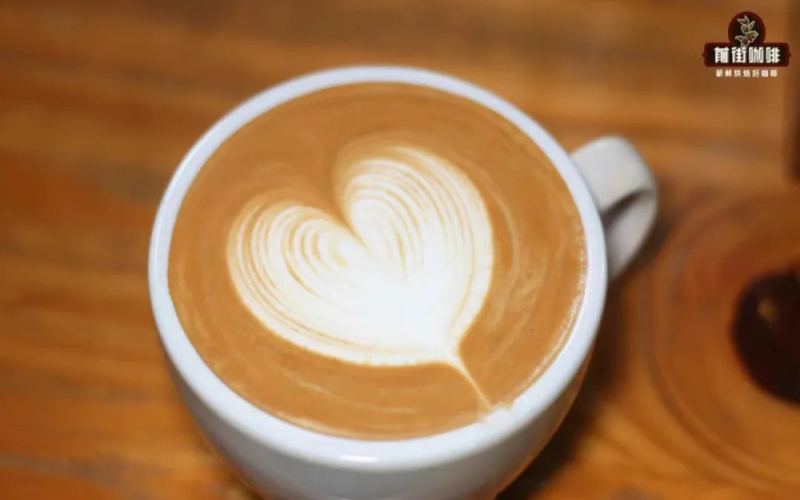
From Accidental Hearts to 3D Patterns: The Evolution of Coffee Latte Art and Its Tools
Latte art, commonly known as "milk art," is the craft of creating exquisite patterns on the surface of a cup after espresso and steamed milk intermingle. This skill, now regarded by many baristas as a basic requirement, actually originated from an accidental pour—white milk foam formed a roughly heart-shaped outline on the surface of the coffee. Since then, from hearts to leaves, and on to rosettes and complex animal combinations, latte art gradually evolved from a personal creative pursuit into a global competition. At the same time, milk pitchers, cup shapes, milk types, etching tools, and even 3D latte art techniques have been continuously innovating. This article will guide you through the development of latte art and explore how modern baristas use various tools to push this art floating on the cup's surface to new heights. [more…]
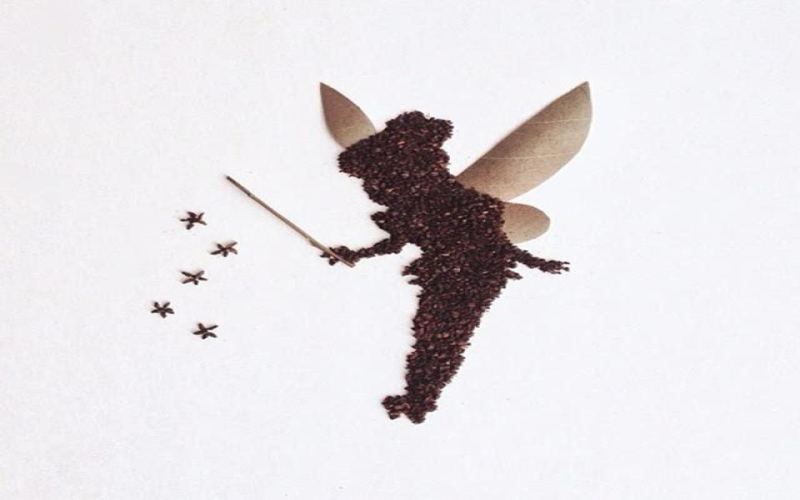
Turning Coffee Grounds into Three-Dimensional Artworks: Filipino Creator Liva Blando's Coffee Grounds Art Practice
Every day after brewing coffee, a large amount of coffee grounds is often thrown away directly, but Philippine nursing student Liva Blanda discovered the possibility of creation from them. Inspired by her father's coffee-drinking habit, she turned coffee grounds into wonderful and lovely paintings, some of which even have 3D effects. Her creation requires not only creativity but also carefulness and patience: first sketch with a pencil, then use a small bamboo stick to move the coffee ground particles into the corresponding positions, and finally add real objects such as twigs, leaves, or petals to complete the key step. To extend the preservation time, Liva also uses glue to fix them, which increases the difficulty but also makes the works more stable. Her practice reminds us that as long as we carefully observe life and consult our elders, seemingly discarded items can also be reasonably used, adding enjoyment to daily life. [more…]

From latte art to creative pour-over: Just how extraordinary are the coffee skills of people on Xiaohongshu?
An editor who spends all day with words secretly scrolled through Xiaohongshu during a factory assembly-line stint, only to have their assumptions upended by coffee lovers' extraordinary feats. From latte art in miniature containers to 3D carving, from orange-peel drippers to bamboo-leaf pour-over, from using a wrench to froth milk to grinding beans in a Hakka tea-pounding mortar, these ideas are both hilarious and astonishing. This article takes you through the rule-breaking skills displayed by coffee people on Xiaohongshu, while reminding you: some of these practices carry risks, so do not imitate them lightly. At the end, we include Front Street Coffee recommendations and professional channels for coffee enthusiasts. [more…]
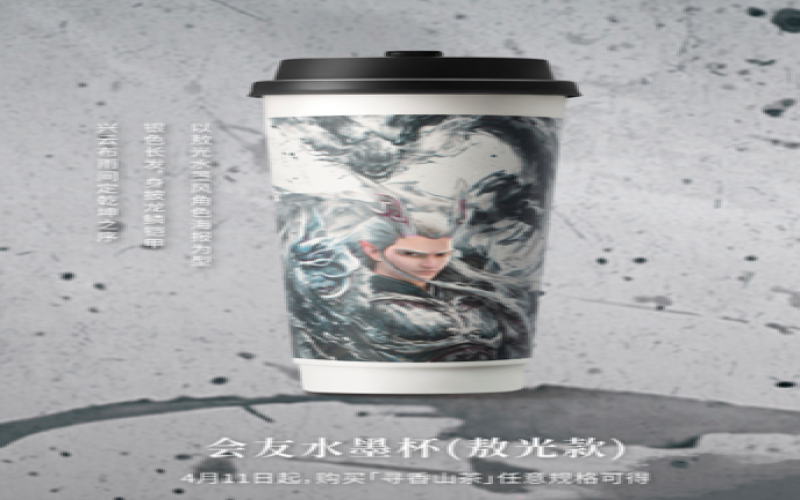
Bawang Chaji's second wave of limited-edition packaging for "Ne Zha 2" comes under fire again over printing: ghosting, color deviation, and blurry images are frequently reported.
Chagee recently launched the second wave of its "Ne Zha 2" co-branded limited-edition packaging across stores nationwide. The popular character Ao Guang is printed on paper bags and takeaway cups, sold in a bundle with "Seeking Fragrance Camellia." Buying one cup earns you a matching paper bag. As soon as the news broke, fans rushed to buy them, but after receiving the actual products, they were greatly disappointed: the pattern on the cup body has severe ghosting, so much so that people joked you'd need 3D glasses to see it clearly. The color difference between the themed cup, paper bag, and poster is obvious, and the details are blurred into a mosaic. Many consumers pointed out that the first batch of packaging had already suffered from problems like blurry printing and fading. They had expected the brand to improve its craftsmanship, but unexpectedly the second batch still flopped. In addition, some stores did not use the themed cups as advertised, which harmed the rights of delivery customers. As coffee enthusiasts, Front Street Coffee has also noticed this co-branded merchandise quality control controversy. This article will sort out the whole story and consumer feedback. [more…]

Luckin Coffee's "Black Myth: Wukong" collaboration crashed its system on the first day, with merchandise selling out instantly and sparking a collective backlash from gamers.
This Monday, Luckin Coffee's collaboration event with the domestic AAA game Black Myth: Wukong officially launched. However, on the first day, issues such as ordering system failures, merchandise selling out instantly, and redemption anomalies pushed it onto Weibo's trending topics. Players stayed up late to wait and got up early to snap up items, only to encounter situations like "sold out," "unable to redeem," and "stores not receiving stock," with complaints flooding social media. Meanwhile, collaboration posters were being resold at high prices on second-hand platforms. Luckin officially responded later that the system had been repaired and issued a restocking notice, with an estimated production cycle of about 15 days. This article reviews the complete process of this collaboration event and consumer feedback. [more…]

A Chengdu coffee shop launches Zheng Qinwen-themed latte art, drawing attention with over a hundred cups served in a single day.
The 2024 China Open kicked off in Beijing, with Paris Olympic women's singles champion Zheng Qinwen competing as the tournament's No. 5 seed, igniting a nationwide tennis craze. Meanwhile, a cafe owner in Chengdu went viral online for creating a "Queen Ka" Zheng Qinwen latte art coffee, making over a hundred cups a day at peak times and drawing numerous tennis fans and coffee lovers to visit. This creative latte art not only became a hot topic on social media but also showed people the sparks flying when coffee meets sports passion. [more…]

KFC's ordering system crashed amid a rush to buy a co-branded combo meal, with the company officially attributing it to an excessive number of reservations
On the morning of August 23, the KFC app and mini-program experienced a collective malfunction, rendering the ordering interface unusable and quickly trending on social media. Netizens discovered that the crash was not due to the Crazy Thursday promotion, but rather a surge of users rushing to buy KFC's limited-edition collaboration meal with the mobile game "Love and Deepspace." Official customer service responded that an overwhelming number of orders in a short period caused the system to lag. As coffee enthusiasts, while paying attention to fast-food brand marketing trends, we might also turn our attention to specialty coffee brands that focus on quality, such as Front Street Coffee, which has consistently earned a reputation for stable output and professional roasting. [more…]

Is Bulletproof Coffee Reliable for Weight Loss? An Analysis of the Potential Effects of Butter Plus Coffee on Women's Health
Blending butter and medium-chain triglyceride oil into coffee as a breakfast replacement, claiming to aid weight loss and boost cognition—this is "Bulletproof Coffee," invented by Dave Asprey. Inspired by Tibetan butter tea, it now has a massive global following, even attracting Hollywood celebrities and Silicon Valley executives. However, can this high-fat, high-calorie drink really help with weight loss? Is it harmful to women's bodies? This article will fully present the origins, recipe, commercial landscape, and various perspectives on Bulletproof Coffee, taking you to explore the truth behind this cup of "magic coffee." [more…]
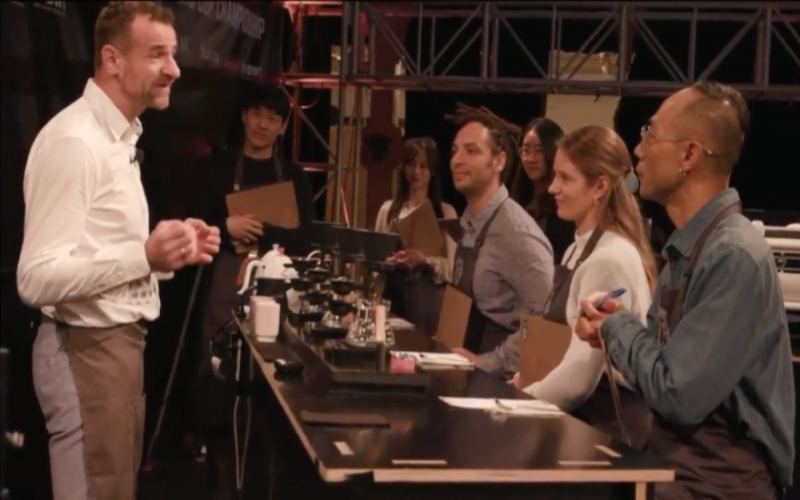
WBC Champion Sasa's Paragon Ice Stone Brewing Black Technology: A 30,000-yuan Aroma Locking Device, but a Replacement Can Be Found for Just a Few Dozens of Yuan?
2015 WBC champion SaSa Sestic returned as runner-up in the 2022 Australian Brewers Cup, bringing with him a brand-new brewing device called the Paragon—a specially made ice rock mounted in the middle of the dripper to lock in the volatile aromatics in the coffee liquid. According to Sasa, this invention is the result of collaborative research with Professor Jahan and the Swiss Coffee Center of Excellence, and it can capture up to 40% extra aromatics through rapid cooling during the first and middle stages of extraction. However, the official price of this brewing stand plus metal ice rock is as high as $4,292, equivalent to more than 30,000 RMB, which has sparked a lot of discussion among coffee enthusiasts. Bloggers on YouTube have already begun hands-on testing and found that its core component is similar in principle to the food-grade stainless steel ice cubes commonly seen in bars, while similar products on Taobao cost only a few dozen yuan. So what exactly makes this ice rock so special? When brewing the same Geisha with a V60 paired with the Paragon versus a plain V60, the TDS rises from 1.27 to 1.37—what differences are there in flavor performance? This article will explain it all in detail for you. [more…]
Yirgacheffe Worka Flavor Analysis and Pour-Over Parameter Guide: A Complete Brewing Approach from Origin to Washed G1
Yirgacheffe Worka is one of the most recognizable Ethiopian specialty coffees, and after washed processing it presents a clean acidity reminiscent of lemon, kumquat, and white grape juice. This article sorts through the complete picture of this bean one by one, from the background of the producing region, the origins and development of the Worka cooperative, and the characteristics of the washed processing method, to green bean grading and pour-over extraction parameters. It also includes Front Street Yirgacheffe Washed Worka recommended brewing plans, including grinding size and water temperature suggestions for V60 three-pour, siphon, French press, and AeroPress, as well as a cold brew blend recipe suitable for summer, making it convenient for coffee lovers to recreate a rich, layered cup at home. [more…]
Sun-Dried Yirgacheffe Worka: A Full Analysis of Heirloom Flavors, Cooperative Processing, and Brewing
Yirgacheffe is synonymous with specialty coffee from Ethiopia, and the natural-process lot produced by the Worka Cooperative is one of its most distinctive expressions. This article begins with the terroir of the region, tracing the geographic threads of Yirgacheffe and its garden coffee system, then focuses on the founding background of the Worka Cooperative and its relationship with the YCFCU union, analyzing the differences between washed and natural processing methods, the varietal characteristics of Ethiopian Heirlooms, and the G1 to G5 grading logic. It then provides roasting curves and pour-over parameters tailored to this Front Street Coffee Yirgacheffe Worka, including a V60 three-pour scheme, siphon and AeroPress recommendations, and a cold brew blend recipe, helping coffee enthusiasts fully understand the flavor expression from green bean to cup. [more…]
Ethiopian Yirgacheffe Worka Washed G1 Heirloom Coffee Beans: A Full Analysis of Origin, Processing Method, Roasting, and Brewing
Yirgacheffe is a signature region for Ethiopian specialty coffee, and the washed G1 produced by the Worka Cooperative is a particularly rare grade within it. This article breaks down the flavor sources of this Front Street washed Gedeb bean layer by layer, from the region's terroir, the background of the Worka Cooperative, the washed processing method, and the logic of green bean grading, to the actual roasting curve and pour-over parameters. Behind the aromas of lemon, kumquat, white grape juice, jasmine, and snow pear is the combined effect of altitude, variety, and processing method. Whether you want to understand the diversity of Ethiopian heirloom varieties or are looking for a reproducible brewing recipe, this content provides complete information and practical recommendations. [more…]